How to apply calcium and silver alginate dressings
This article was reviewed by Tara Call Triplett, RN, WCC, CHFN
Alginate dressings, derived from brown seaweed, contain calcium and sodium salts and are pivotal in managing moderate to heavily exudative wounds. Calcium alginate dressings are primarily used for their high absorbency, while silver alginate dressings incorporate antimicrobial properties to combat infection. Proper application of these dressings is crucial for effective wound healing. This guide provides wound care nurses with detailed instructions for applying both types of dressings.
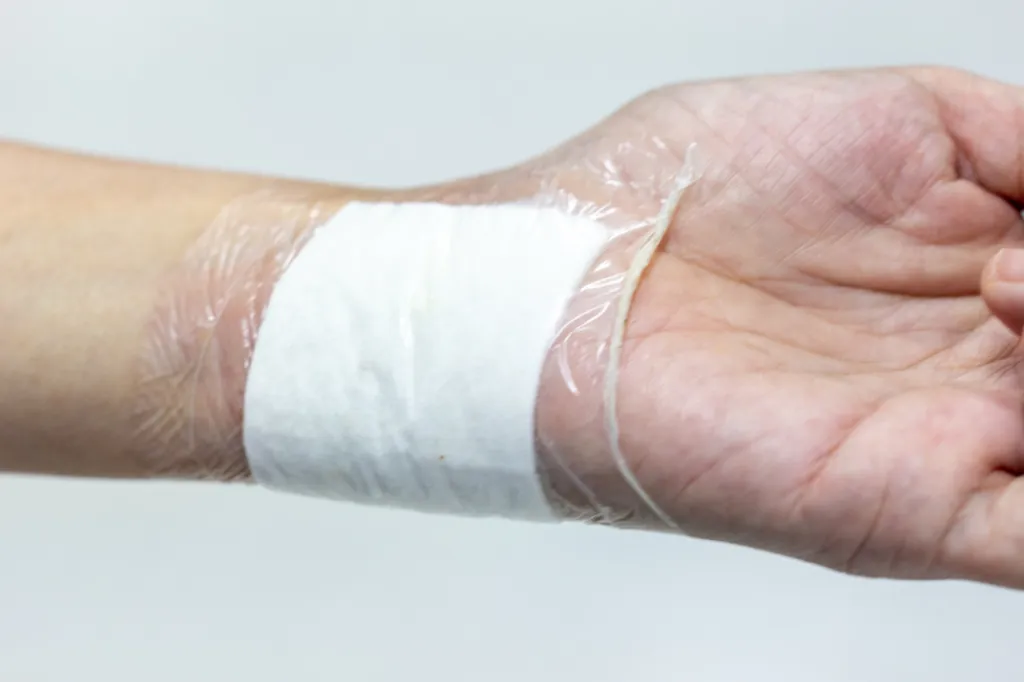
Calcium alginate dressings
Calcium alginate dressings are ideal for wounds with moderate to heavy exudate, such as pressure ulcers, venous leg ulcers, diabetic foot ulcers, and partial thickness burn wounds (or second-degree burns). They promote a moist wound environment and facilitate autolytic debridement. They can promote hemostasis in mildly bleeding wounds when applied with gentle pressure.
Silver alginate dressings
Silver alginate dressings are indicated when there are clinical signs of local infection, suspected biofilm, or when the wound is high risk for infection based on patient and wound factors. In chronic wounds, signs of infection may include delayed healing, friable or bleeding granulation tissue, increased or purulent exudate, malodor, new or increasing pain, hypergranulation, surrounding erythema, and periwound warmth or edema.
Silver dressings are to be used for the short term. Current literature recommends reassessing the effectiveness of the silver dressing after two weeks and, if signs of infection are resolved, transitioning to a nonantimicrobial dressing. If improvement is noted but infection persists, continue the dressing for the short term, but regular reassessment may be appropriate. If the wound has not improved after four weeks of use, a comprehensive reassessment and new regimen may be needed.
If local infection is suspected or worsening, daily review may be indicated until the patient is stable. If infection is spreading or the patient is systemically unwell, the wound and patient should be reviewed urgently. If there are signs of spreading infection or systemic illness, topical antimicrobials are unlikely to be sufficient, and urgent medical evaluation and systemic therapy may be needed.
Silver alginate dressings tips and precautions
- Select silver alginate dressings based on wound needs like exudate, depth, odor, ease of removal, and change frequency.
- Review in two weeks, but do not automatically stop.
- If there is no improvement, reassess and consider another antimicrobial agent.
- Follow manufacturer instructions, including any MRI and radiotherapy warnings.
- Caution in children and very large wounds. Always follow the manufacturer’s guidelines.
- Extra contraindications for SSD-containing products, such as sensitivity to silver, and avoidance of use during pregnancy or lactation unless product guidance and clinical judgement support its use.
- Reinforce that silver is adjunctive and not a replacement for the standard of care.
- Avoid using silver products concurrently with enzymatic debriders unless product guidance supports it.
Applying Calcium and Silver Alginate Dressings
Step 1: Gather necessary supplies
- Alginate dressing (appropriate size or rope form)
- Sterile saline or wound cleanser
- Clean gloves
- Secondary dressing (e.g., foam, or gauze)
- Clean scissors (if trimming is needed)
- Medical tape or retention bandage
Step 2: Prepare the wound
- Perform hand hygiene and apply clean gloves.
- Cleanse the wound thoroughly with sterile saline or an appropriate wound cleanser to remove debris and exudate.
- Gently pat the periwound skin dry to prevent maceration.
Step 3: Apply the dressing
- Select an alginate dressing that covers the wound bed entirely. If necessary for heavy drainage, protect the periwound by applying a moisture barrier and fitting the alginate dressing to the wound bed. Do not allow the dressing to overlap the periwound more than minimally. Too much overlap risks maceration of the wound bed in heavier-draining wounds.
- Only pack when the tract can be adequately irrigated, and the product can be fully removed. Avoid narrow tracts, avoid tight packing, and consider alternatives if frequent changes are needed. Always allow the end of the dressing to extend from the tract to allow easy and full removal of the dressing.
- Avoid putting alginates on exposed support structures.
- Do not moisten before application.
- Ensure the dressing is in direct contact with the wound bed.
Step 4: Secure with a secondary dressing
- Place an appropriate secondary dressing like a gauze pad or foam dressing over the alginate to maintain a moist environment and absorb excess exudate. Tape may be used to secure the secondary dressing. A bordered foam or bordered gauze dressing may also be used as a secondary dressing. Appropriate compression may be applied over the dressing, if indicated.
Step 5: Monitor and change as needed
- Change the dressing every 1-3 days, depending on absorbency, wound condition, and manufacturer’s instructions for use for the particular product you are using.
- During each dressing change, assess the wound for signs of infection or deterioration.
- Irrigate the wound bed and tunnels thoroughly with normal saline to confirm no fibers remain in the wound bed.
Key differences in application
| Aspect | Calcium Alginate Dressing | Silver Alginate Dressing |
| Primary Use | Moderate to heavily exudating wounds | Infected or high-risk exudating wounds |
Antimicrobial | No | Yes (silver component) |
Frequency of Change | Every 1–3 days, based on exudate levels | Every 1–3 days, based on exudate and infection status |
Removal Consideration | Moisten if adhered to the wound bed | Moisten if adhered to the wound bed |
Clinical considerations for wound care nurses
- Assessment: Regularly evaluate the wound for signs of infection, exudate levels, and healing progress.
- Dressing Selection: Choose the appropriate dressing based on wound characteristics and infection status.
- Patient Education: Instruct patients on the importance of dressing changes, signs of infection, and when to seek medical attention.
- Documentation: Accurately record wound assessments, dressing changes, and patient responses to treatment.
References:
- BODYARMOR Medical. "How to Use Calcium Alginate Dressings."https://bodyarmormedical.com/how-to-use-calcium-alginate-dressings/
- Wound Care Answers. "How to Use Silver Calcium Alginate Wound Dressing." https://woundcareanswers.com/knowledge-base/how-to-use-silver-calcium-alginate-wound-dressing/
- Hollister Incorporated. "Restore Calcium Alginate Dressing with Silver Protocol." https://www.hollister.com/-/media/files/pdfs-for-download/wound-care/restore-calcium-alginate-silver-protocol-910444-1008.ashxbodyarmormedical.com
- “Wounds UK Best Practice Statement, 2021” 890792f12d9c8346522cc716b279afe4.pdf)