Onsite Diabetic Wound Management
Prepare for your Diabetic Wound Care certification exam with our four-day, on-site course.
Save Lives and Limbs
Gain the advanced clinical knowledge and confidence to make a significant impact on diabetic wound outcomes in your practice. This four-day, on-site Diabetic Wound Management course leads to the Diabetic Wound Certified (DWC) credential through the National Alliance of Wound Care and Ostomy (NAWCO). In addition to classroom training, you'll participate in labs that include total contact casting and conservative sharp debridement.
On-site classroom learning
Taught by a DWC-certified instructor, our courses keep you involved and inspired, so new knowledge isn't only gained but also retained. Benefits of this course include:
- Dedicated time to focus on comprehensive wound care training
- Real and practical use of different tools and techniques
- Opportunities to learn new course material and ask questions
- Networking and sharing experiences with other learners
- Valuable feedback from the instructors and peers in your group
Certification exam
If you intend to take the certification exam, a minimum of two years of full-time or four years of part-time wound care experience is required to be successful.
After registering, if you plan to sit for a certification exam, select a credentialing board, complete their exam application, and pay their fees. The credentialing board determines your certification eligibility. For your convenience, NAWCO administers the exam at most course locations the day after the course concludes.
Contact NAWCO at 877-922-6292 for exam-related questions.
Success commitment
We're here to help you succeed! If you don’t pass your credentialing exam after completing one of our courses, we'll provide you with six months of free access to the online Diabetic Wound Management course. Email a copy of your exam results within 30 days of receiving them to coursesupport@relias.com.
Credits
| Nurses: | 39 contact hours |
| Physical therapists: | 39 contact hours |
| Physicians / Physician Assistants (PAs) | 39 AMA PRA Category 1 credits™ |
| Dietitians: | 39 CPEUs |
Important accreditation notice for occupational therapists
This course isn't accredited for continuing education (CE) credit for occupational therapists. However, a certificate of completion is issued upon successful completion of the course. This certificate may be submitted as documentation to fulfill eligibility requirements for the NAWCO exam, in accordance with their current standards.
Disclosures
None of the planners/faculty, unless otherwise noted, for this educational activity have relevant financial relationship(s) to disclose with ineligible companies whose primary business is producing, marketing, selling, re-selling, or distributing healthcare products used by or on patients.
Accreditation information

As a Jointly Accredited organization, Relias LLC is accredited to offer dietetic continuing education by the Commission on Dietetic Registration (CDR). The CDR is an associate member of Joint Accreditation for Interprofessional Continuing Education.
Completion of this RD/DTR profession-specific or IPCE activity awards CPEUs (1 IPCE credit=1 CPEU).
If the activity is dietetics related by not targeted to RDs or DTRs, CPEUs may be claimed which are commensurate with participation in contact hours (1 hour/60 minutes=1 CPEU).
RDs and DTRs are to select activity type 102 in their Activity logs. Performance Indicator selection is at the learner's discretion.
In support of improving patient care, Relias LLC is jointly accredited by the Accreditation Council for Continuing Medical Education (ACCME), the Accreditation Council for Pharmacy Education (ACPE), and the American Nurses Credentialing Center (ANCC), to provide continuing education for the healthcare team.
Relias LLC is a licensed physical therapy continuing education sponsor (#216.000290) by the Illinois Department of Financial and Professional Regulation. Certificates must be retained by the licensee for a period of five years after course completion. Please check with your state for prior approval.
Tuition Rate
$2,297 Initial certification
$2,197 Alumni student
Recertification information
Certification exam fees: Fees are not included in the tuition rate. Select a credentialing board, complete their exam application, and pay any exam fees.
For information on hosting a course at your organization, visit our Host a Course page.
Included with tuition
- Contact hours upon completion (Visit the Certificates section)
- Digital course resources
- Exam prep tools, including end-of-lesson knowledge quizzes
- Pre-exam certification review
Ongoing education
- Nurses: Free one-year Nurse.com Premium membership
- Physical therapists, occupational therapists, or dietitians: Free one-year subscription to Relias Academy
- Physicians: Access to free CMEs on FreeCME.com
Employer Tuition Reimbursement
Our free and simple toolkit can help you put together a formal request approval from a manager to get reimbursed for your WCEI courses. Our free toolkit gives you an email template, draft reimbursement letter, and value justification sheet.
Helpful Resources
Schedule
Four-Day Course
| Days 1 - 4: | 8:00 AM – 5:00 PM | Classroom training |
Curriculum
- Section 1 Foundations of Diabetes Management
- Section 2 Neuropathy
- Section 3 Cutaneous Aspects of Diabetes
- Section 4 Diabetic Foot Ulcers and Wound Healing
- Section 5 Comprehensive Diabetic Foot Exam
- Section 6 Diabetic Foot Ulcer Infection
- Section 7 Principles of Wound Management
- Section 8 Topical Wound Management: Dressing Selection and Wound Cleansing
- Section 9 Treatment of Diabetic Foot Ulcers
- Section 10 Adjunctive Therapies Diabetic Foot Ulcer
- Section 11 Treatment of Charcot Neuropathic Osteopathy
- Section 12 Offloading and the Diabetic Foot
- Section 13 Nutrition, Depression and Pain
- Section 14 Peripheral Arterial Disease
- Section 15 Amputation and Limb Care
- Section 16 Basic Foot and Nail Care for the Patient with Diabetes
- Section 17 Transdisciplinary Concepts
Learning objectives
- Describe the difference between type 1 and type 2 diabetes.
- Discuss overall epidemiology of diabetes and incidence of diabetic foot ulcers.
- Discuss the basic anatomy and physiology of the foot.
- Describe the gait cycle.
- Identify two of the major functions of normal gait.
- List the six clinical presentations of diabetic neuropathy.
- List the neuropathic pain descriptors of distal symmetrical sensorimotor polyneuropathy.
- Differentiate characteristics of somatic and autonomic nervous system.
- Identify five components of a comprehensive diabetes foot exam.
- Summarize risk factors, causes and classification of diabetic foot ulcers (DFUs).
- Name and explain characteristics of at least three common skin complications associated with diabetes.
- Discuss overall effects of diabetes and impaired wound healing.
- Classify diabetic foot infections and choose treatments based on this classification.
- Summarize assessment findings and treatment recommendations for diabetic foot ulcers complicated by osteomyelitis.
- Explain the theory of moist wound healing.
- Identify five factors which enhance or impede the wound healing process.
- Identify five different dressing categories for topical wound management.
- Select safe topical treatment options based upon wound assessment and goal of wound care.
- Select appropriate diabetic foot ulcer treatments and interventions, based upon wound characteristics and goal of treatment.
- Demonstrate procedure for conservative sharp debridement.
- Explain the rationale for offloading and footwear in the patient with neuropathy.
- Distinguish at what point in the diabetic wound one should consider “adjuvant therapy".
- Explain the importance of nutritional interventions and glucose control for the wounded diabetic.
- Describe and differentiate examples of diabetes related distress and diabetes associated depression.
- Define two clinical terms associated with pain.
- Identify four characteristics of peripheral arterial disease.
- Summarize types of pain and potential complications experienced post-amputation.
- Demonstrate application of total contact cast.
- Summarize basic nail and skin care recommendations for the person with diabetes.
- Describe three interventions or methods to assist patient in compliance with care plan.
- Demonstrate procedure for trimming and filing toenails.
- List three types of adult learners, and describe one example of each.
- Discuss importance of evidence-based standards of care and specify examples of two diabetes associated practice guidelines.
I’m worried about the cost of the course.
Investing in your education is a big decision. That’s why we offer flexible financing options through Affirm and employer reimbursement guidance to help make certification more accessible. Many of our learners have successfully received financial support from their employers — our team can help you build a case for funding. (See this blog)
What impact on my salary would a wound care certification have?
The salary for wound care nurses varies based on factors like geographic location, education, and certification. The average base hourly rate for a wound care nurse is currently $40.61 as of 2023 according to Indeed. This translates to around $95,314 annually based on the same data.
I don’t have time to take the course.
Your schedule can be demanding, which is why we offer multiple learning formats to fit your needs so you can balance your education with work and life responsibilities. Our on-site and live online courses offer deep learning over four days, while our online self-paced course let’s you learn at your own pace over six months.
What does it mean to be wound care certified?
Being wound care certified means more than just having letters after your name. It means you’re committed to continuous learning and providing excellent care. You develop an in-depth clinical knowledge and proficiency in current standards of care versus existing trends. You stay current on the latest wound care trends and products, and you remain dedicated to using evidence-based practices to give patients a better quality of life.
Will certification actually help my career?
Studies show that certified nurses are preferred over non-certified nurses for job opportunities and promotions. Many of our alumni have reported salary increases up to 20%, new leadership roles, and greater professional recognition after certification. Additionally, employers highly value wound care, diabetic wound care, or ostomy credentials, as they demonstrate a commitment to excellence in patient care.
Will I really be prepared for the exam?
Absolutely! Our courses are designed to build confidence in both clinical practice and exam success. In fact, 90% of WCEI alumni reported they felt prepared for their certification exam after taking our course, and 97% have successfully earned their certification. Our alumni consistently praise our comprehensive course materials, expert instructors, and interactive study tools as key factors in their success. Plus, if you don’t pass the exam, we stand by you with our Success Commitment — providing six months of free course access so you can continue preparing for the exam and reach your goal.
Do I meet the eligibility requirements?
Each certification has different eligibility requirements, and we’re happy to walk you through them! The good news is that WCEI offers multiple certification pathways, including courses that don’t require a bachelor’s degree. If you’re unsure about your eligibility, contact us — we’ll help you find the best path to certification based on your credentials and experience.
I’m already trained in wound care. Why does certification matter?
Having wound care training is valuable, but certification takes your expertise to the next level—providing professional credibility, career advancement opportunities, and a clear demonstration of your skills and dedication to excellence in wound care to your employer, colleagues, and patients. WCEI education prepares you for NAWCO and ABWM certification—leaders in wound care credentialing in the U.S. So no matter where your career takes you, your certification will be a valuable credential that is nationally recognized and respected, setting you apart in the field of wound care.
Overview
Save Lives and Limbs
Gain the advanced clinical knowledge and confidence to make a significant impact on diabetic wound outcomes in your practice. This four-day, on-site Diabetic Wound Management course leads to the Diabetic Wound Certified (DWC) credential through the National Alliance of Wound Care and Ostomy (NAWCO). In addition to classroom training, you'll participate in labs that include total contact casting and conservative sharp debridement.
On-site classroom learning
Taught by a DWC-certified instructor, our courses keep you involved and inspired, so new knowledge isn't only gained but also retained. Benefits of this course include:
- Dedicated time to focus on comprehensive wound care training
- Real and practical use of different tools and techniques
- Opportunities to learn new course material and ask questions
- Networking and sharing experiences with other learners
- Valuable feedback from the instructors and peers in your group
Certification exam
If you intend to take the certification exam, a minimum of two years of full-time or four years of part-time wound care experience is required to be successful.
After registering, if you plan to sit for a certification exam, select a credentialing board, complete their exam application, and pay their fees. The credentialing board determines your certification eligibility. For your convenience, NAWCO administers the exam at most course locations the day after the course concludes.
Contact NAWCO at 877-922-6292 for exam-related questions.
Success commitment
We're here to help you succeed! If you don’t pass your credentialing exam after completing one of our courses, we'll provide you with six months of free access to the online Diabetic Wound Management course. Email a copy of your exam results within 30 days of receiving them to coursesupport@relias.com.
Certificates
Credits
| Nurses: | 39 contact hours |
| Physical therapists: | 39 contact hours |
| Physicians / Physician Assistants (PAs) | 39 AMA PRA Category 1 credits™ |
| Dietitians: | 39 CPEUs |
Important accreditation notice for occupational therapists
This course isn't accredited for continuing education (CE) credit for occupational therapists. However, a certificate of completion is issued upon successful completion of the course. This certificate may be submitted as documentation to fulfill eligibility requirements for the NAWCO exam, in accordance with their current standards.
Disclosures
None of the planners/faculty, unless otherwise noted, for this educational activity have relevant financial relationship(s) to disclose with ineligible companies whose primary business is producing, marketing, selling, re-selling, or distributing healthcare products used by or on patients.
Accreditation information
As a Jointly Accredited organization, Relias LLC is accredited to offer dietetic continuing education by the Commission on Dietetic Registration (CDR). The CDR is an associate member of Joint Accreditation for Interprofessional Continuing Education.
Completion of this RD/DTR profession-specific or IPCE activity awards CPEUs (1 IPCE credit=1 CPEU).
If the activity is dietetics related by not targeted to RDs or DTRs, CPEUs may be claimed which are commensurate with participation in contact hours (1 hour/60 minutes=1 CPEU).
RDs and DTRs are to select activity type 102 in their Activity logs. Performance Indicator selection is at the learner's discretion.
In support of improving patient care, Relias LLC is jointly accredited by the Accreditation Council for Continuing Medical Education (ACCME), the Accreditation Council for Pharmacy Education (ACPE), and the American Nurses Credentialing Center (ANCC), to provide continuing education for the healthcare team.
Relias LLC is a licensed physical therapy continuing education sponsor (#216.000290) by the Illinois Department of Financial and Professional Regulation. Certificates must be retained by the licensee for a period of five years after course completion. Please check with your state for prior approval.
Tuition Cost
Tuition Rate
$2,297 Initial certification
$2,197 Alumni student
Recertification information
Certification exam fees: Fees are not included in the tuition rate. Select a credentialing board, complete their exam application, and pay any exam fees.
For information on hosting a course at your organization, visit our Host a Course page.
Included with tuition
- Contact hours upon completion (Visit the Certificates section)
- Digital course resources
- Exam prep tools, including end-of-lesson knowledge quizzes
- Pre-exam certification review
Ongoing education
- Nurses: Free one-year Nurse.com Premium membership
- Physical therapists, occupational therapists, or dietitians: Free one-year subscription to Relias Academy
- Physicians: Access to free CMEs on FreeCME.com
Employer Tuition Reimbursement
Our free and simple toolkit can help you put together a formal request approval from a manager to get reimbursed for your WCEI courses. Our free toolkit gives you an email template, draft reimbursement letter, and value justification sheet.
Helpful Resources
Schedule & Content
Schedule
Four-Day Course
| Days 1 - 4: | 8:00 AM – 5:00 PM | Classroom training |
Curriculum
- Section 1 Foundations of Diabetes Management
- Section 2 Neuropathy
- Section 3 Cutaneous Aspects of Diabetes
- Section 4 Diabetic Foot Ulcers and Wound Healing
- Section 5 Comprehensive Diabetic Foot Exam
- Section 6 Diabetic Foot Ulcer Infection
- Section 7 Principles of Wound Management
- Section 8 Topical Wound Management: Dressing Selection and Wound Cleansing
- Section 9 Treatment of Diabetic Foot Ulcers
- Section 10 Adjunctive Therapies Diabetic Foot Ulcer
- Section 11 Treatment of Charcot Neuropathic Osteopathy
- Section 12 Offloading and the Diabetic Foot
- Section 13 Nutrition, Depression and Pain
- Section 14 Peripheral Arterial Disease
- Section 15 Amputation and Limb Care
- Section 16 Basic Foot and Nail Care for the Patient with Diabetes
- Section 17 Transdisciplinary Concepts
Learning objectives
- Describe the difference between type 1 and type 2 diabetes.
- Discuss overall epidemiology of diabetes and incidence of diabetic foot ulcers.
- Discuss the basic anatomy and physiology of the foot.
- Describe the gait cycle.
- Identify two of the major functions of normal gait.
- List the six clinical presentations of diabetic neuropathy.
- List the neuropathic pain descriptors of distal symmetrical sensorimotor polyneuropathy.
- Differentiate characteristics of somatic and autonomic nervous system.
- Identify five components of a comprehensive diabetes foot exam.
- Summarize risk factors, causes and classification of diabetic foot ulcers (DFUs).
- Name and explain characteristics of at least three common skin complications associated with diabetes.
- Discuss overall effects of diabetes and impaired wound healing.
- Classify diabetic foot infections and choose treatments based on this classification.
- Summarize assessment findings and treatment recommendations for diabetic foot ulcers complicated by osteomyelitis.
- Explain the theory of moist wound healing.
- Identify five factors which enhance or impede the wound healing process.
- Identify five different dressing categories for topical wound management.
- Select safe topical treatment options based upon wound assessment and goal of wound care.
- Select appropriate diabetic foot ulcer treatments and interventions, based upon wound characteristics and goal of treatment.
- Demonstrate procedure for conservative sharp debridement.
- Explain the rationale for offloading and footwear in the patient with neuropathy.
- Distinguish at what point in the diabetic wound one should consider “adjuvant therapy".
- Explain the importance of nutritional interventions and glucose control for the wounded diabetic.
- Describe and differentiate examples of diabetes related distress and diabetes associated depression.
- Define two clinical terms associated with pain.
- Identify four characteristics of peripheral arterial disease.
- Summarize types of pain and potential complications experienced post-amputation.
- Demonstrate application of total contact cast.
- Summarize basic nail and skin care recommendations for the person with diabetes.
- Describe three interventions or methods to assist patient in compliance with care plan.
- Demonstrate procedure for trimming and filing toenails.
- List three types of adult learners, and describe one example of each.
- Discuss importance of evidence-based standards of care and specify examples of two diabetes associated practice guidelines.
FAQs
I’m worried about the cost of the course.
Investing in your education is a big decision. That’s why we offer flexible financing options through Affirm and employer reimbursement guidance to help make certification more accessible. Many of our learners have successfully received financial support from their employers — our team can help you build a case for funding. (See this blog)
What impact on my salary would a wound care certification have?
The salary for wound care nurses varies based on factors like geographic location, education, and certification. The average base hourly rate for a wound care nurse is currently $40.61 as of 2023 according to Indeed. This translates to around $95,314 annually based on the same data.
I don’t have time to take the course.
Your schedule can be demanding, which is why we offer multiple learning formats to fit your needs so you can balance your education with work and life responsibilities. Our on-site and live online courses offer deep learning over four days, while our online self-paced course let’s you learn at your own pace over six months.
What does it mean to be wound care certified?
Being wound care certified means more than just having letters after your name. It means you’re committed to continuous learning and providing excellent care. You develop an in-depth clinical knowledge and proficiency in current standards of care versus existing trends. You stay current on the latest wound care trends and products, and you remain dedicated to using evidence-based practices to give patients a better quality of life.
Will certification actually help my career?
Studies show that certified nurses are preferred over non-certified nurses for job opportunities and promotions. Many of our alumni have reported salary increases up to 20%, new leadership roles, and greater professional recognition after certification. Additionally, employers highly value wound care, diabetic wound care, or ostomy credentials, as they demonstrate a commitment to excellence in patient care.
Will I really be prepared for the exam?
Absolutely! Our courses are designed to build confidence in both clinical practice and exam success. In fact, 90% of WCEI alumni reported they felt prepared for their certification exam after taking our course, and 97% have successfully earned their certification. Our alumni consistently praise our comprehensive course materials, expert instructors, and interactive study tools as key factors in their success. Plus, if you don’t pass the exam, we stand by you with our Success Commitment — providing six months of free course access so you can continue preparing for the exam and reach your goal.
Do I meet the eligibility requirements?
Each certification has different eligibility requirements, and we’re happy to walk you through them! The good news is that WCEI offers multiple certification pathways, including courses that don’t require a bachelor’s degree. If you’re unsure about your eligibility, contact us — we’ll help you find the best path to certification based on your credentials and experience.
I’m already trained in wound care. Why does certification matter?
Having wound care training is valuable, but certification takes your expertise to the next level—providing professional credibility, career advancement opportunities, and a clear demonstration of your skills and dedication to excellence in wound care to your employer, colleagues, and patients. WCEI education prepares you for NAWCO and ABWM certification—leaders in wound care credentialing in the U.S. So no matter where your career takes you, your certification will be a valuable credential that is nationally recognized and respected, setting you apart in the field of wound care.
Additional Wound Care Courses

Certified Wound Care Marketing Specialist
Looking to increase your organization’s revenue potential, enhance your customer base, and become more competitive?
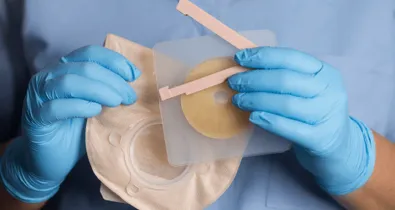
Ostomy Management
A complete focus on the treatment, therapy, and counseling for individuals during every stage of a fecal or urinary diversion.
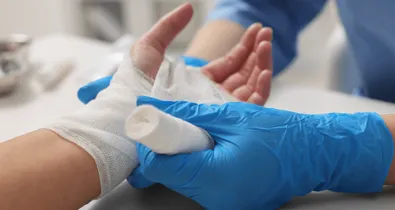
Skin + Wound Management
A comprehensive program covering wound assessment, treatment strategies, infection prevention techniques, and more.
What Others Say Matters
-
I've been working in the Wound and Ostomy Field since I obtained my WCC. As the full time Wound Ostomy Team member (working with two WOCNs), I've been told on numerous occasions from physicians that I'm considered a colleague. I've won over even the hardest physicians with my assessment, treatment, and skills! Nothing feels better than earning that kind of respect. Thank you to WCEI for opening the door! I just stepped though, and my life has been changed forever!
Rachel P, RN, CWCS, DAPWC, WCC -
I'm a Registered Dietitian working in a Long-Term Care Facility. After talking with a fellow worker, I decided to pursue the NWCC certification to advance my understanding and competency in wound care from a nutritional perspective. I learned so much and now have the knowledge to support the wound care team with proper nutritional interventions. I'm also grateful for the recognition and respect of the nurses and physicians on our team.
Tami P, MS, RD, NWCC