Understanding Pilonidal Cysts
A pilonidal cyst is a fluid-filled sac that typically develops near the tailbone, at the top of the cleft between the buttocks. These cysts often contain hair, skin debris, and other tissues. When infected, they can cause pain, swelling, and drainage. The term 'pilonidal' derives from Latin words meaning “nest of hair,” which accurately describes the cyst’s common contents.
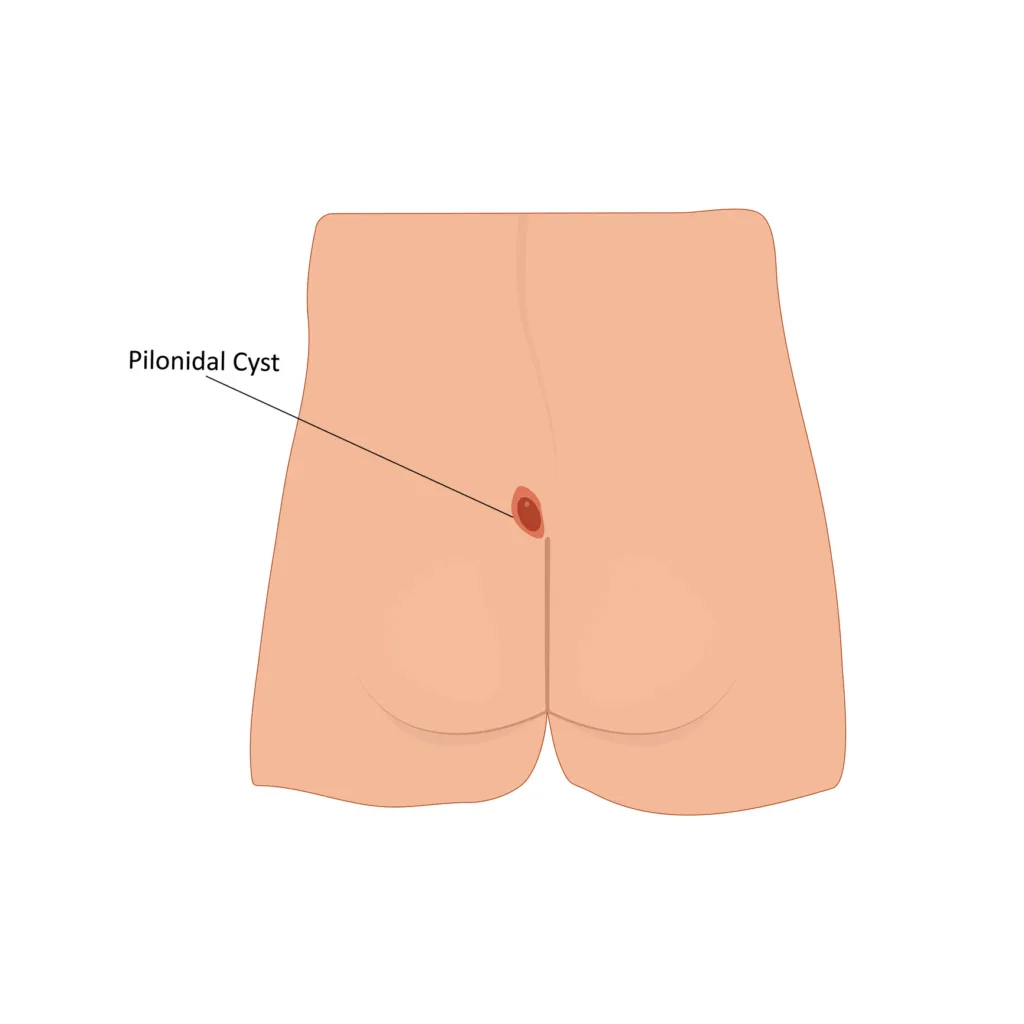
Causes and risk factors
The exact cause of pilonidal cysts remains unknown, but several factors seem to contribute to their development. Ingrown hairs are a key factor; hair that grows into the skin can trigger an inflammatory response and lead to cyst formation. Friction and pressure, such as from sitting for long periods, can also increase the risk, especially in the sacrococcygeal area. Hormonal changes during puberty, poor hygiene, and obesity raise susceptibility, while a family history might indicate a genetic predisposition.
Clinical presentation
Clinically, patients with pilonidal cysts often experience localized pain and tenderness, especially when sitting or applying pressure to the area. Swelling, redness, and drainage (either pus or blood) from an opening in the skin are common symptoms. In cases of infection, patients might also develop a fever. Chronic or recurring cases can include repeated abscesses and ongoing drainage.
Treatment options
Non-surgical management
Non-surgical management is suitable for uncomplicated or initial cases. Hygiene education is crucial, highlighting the importance of keeping the affected area clean and dry. Hair removal via shaving or laser treatment can help prevent recurrence. Warm compresses may reduce discomfort and promote drainage, while antibiotics are given if infection occurs.
Surgical interventions
When cysts become abscessed or recur frequently, surgical intervention might be necessary. Incision and drainage (I&D) is a minor procedure that removes pus and relieves pressure. More severe cases may require removing the cyst and the surrounding tissue. Marsupialization involves suturing the edges of the excised wound to create a pouch, encouraging cyst drainage and healing from the bottom up. For complex or recurrent cases, flap procedures can be used to rebuild the area and reduce the likelihood of recurrence.
For a comprehensive look at treatment option options, read our treatment guide.
Wound care considerations for nurses
Wound care nurses play an essential role in recovery after treatment. Proper wound assessment is vital for spotting infection signs, tracking healing, and catching complications early. Dressing choices should create a healthy wound environment while preventing contamination and excessive moisture. Patient education is key to emphasizing proper hygiene and wound care techniques. Effective pain management, through suitable analgesics and supportive measures, improves patient comfort. Regular follow-up visits ensure healing is on track and allow for quick adjustments to care plans.
Healing stages
The healing process and timeframes of a pilonidal wound vary due to circumstances such as the presence of infection and the complexity of any abscesses. The process generally follows three stages:
- The inflammatory phase includes redness, swelling, drainage, and pain. Depending on the severity of the cyst and the presence of an abscess, interventions such as I&D or flap surgery are performed in this stage. If surgery is required, the healing will begin from the hemostasis stage and progress into the inflammatory.
- The proliferative phase involves new tissue growth and wound contraction.
- The final maturation phase involves collagen remodeling and wound closure. Healing times can differ based on the treatment method and individual patient factors.
ICD-10 coding
Proper ICD-10 coding is essential for precise documentation and billing. The correct code for pilonidal cysts with abscess is L05.01, and the code for cysts without abscess is L05.91. These classifications help healthcare providers identify the severity of the condition and customize treatment plans accordingly.
References
- Cleveland Clinic. Pilonidal Cyst: Causes, Symptoms, Treatments & Removal. https://my.clevelandclinic.org/health/diseases/15400-pilonidal-disease
- Mayo Clinic. Pilonidal cyst - Diagnosis and treatment. https://www.mayoclinic.org/diseases-conditions/pilonidal-cyst/diagnosis-treatment/drc-20376332
- ICD10Data.com. 2025 ICD-10-CM Diagnosis Code L05.91: Pilonidal cyst without abscess. https://www.icd10data.com/ICD10CM/Codes/L00-L99/L00-L08/L05-/L05.91
- WoundSource. Pilonidal Cysts: Pathophysiology, Wound Care Management, and Patient Education. https://www.woundsource.com/blog/what-you-need-know-about-pilonidal-cysts