Skin + Wound Care Refresher
Refresh your Skin and Wound Care knowledge with our online refresher course.
This online course will provide you with a review in order to sit for the certification examination.
Course Eligibility Details
This refresher course is only available to individuals who have completed the Skin and Wound Management course within the past two years.
If you intend to take the certification exam, a minimum of two years of full-time or four years of part-time wound care experience is required to be successful.
Before registering, confirm eligibility by emailing woundcaresupport@relias.com.
This course is designed as a review and does not provide continuing education credits.
Important Accreditation Notice for Occupational Therapists:
This course is not accredited for CE credit for Occupational Therapists. However, a Certificate of Completion will be issued upon successful completion of the course. This certificate may be submitted as documentation to fulfill eligibility requirements for the NAWCO certification examination, in accordance with their current standards.
Online Refresher Course Tuition Rate
$297 WCEI Individual Alumni Rate
Examination fees: Fees are not included in the tuition rate. After registering for the course, you will be directed to complete the exam application and pay any exam fees.
The WCEI Difference
- Premium Content: Our course content is updated and reviewed by industry professionals at a minimum of every three years. We pride ourselves on having the most current, up to date course content in the industry.
- Learner Supportive Platform: Our wound care courses are hosted on the propriety Relias Live Learning Management System.
- Flexible Payment Options: We offer a variety of flexible payment options through Affirm.
- Continuous Learning: We provide continuing education throughout your career.
Learn more about how WCEI stands out from our competitors here.
Included with Tuition
- Self-paced learning with six months of access
- Learning aides: glossary, sample questions and more
- Exclusive access to resource materials
- Practice exam course review
- Nutrition and Wound Healing Supplement for RD/RDN
Employer Tuition Reimbursement
Our free and simple toolkit can help you put together a formal request approval from a manager to get reimbursed for your WCEI courses. Our free toolkit gives you an email template, draft reimbursement letter, and value justification sheet.
Wound Care Refresher Schedule
Once you purchase the course, you have six months to access and review all thirteen modules. After completing the online course, work with your selected credentialing board to schedule your certification exam at a testing center.
Online Modules
- Section 1 Principles of Practice
- Section 2 Skin and Underlying Structures
- Section 3 Wound Assessment
- Section 4 Wound Healing
- Section 5 Wound Bed Preparation
- Section 6 Nutrition
- Section 7 Topical Wound Management
- Section 8 Lower Extremity Ulcers
- Section 9 Pressure Ulcers
- Section 10 Acute Wounds
- Section 11 Other Wounds
- Section 12 Therapeutic Interventions and Modalities
- Section 13 Practice Development
Learning Objectives
- Discuss how standards of care, evidence based practice and a multidisciplinary wound care team can affect clinical choices in wound management.
- Discuss the basic anatomy and physiology of the skin.
- Identify at least five parameters required for accurate wound assessment.
- Identify pressure ulcer stages according to NPUAP guidelines.
- Identify five factors which enhance or impede the wound healing process.
- Explain four types of basic principles of wound bed preparation.
- Identify three major components of a nutritional assessment for optimizing wound healing.
- Identify four different categories for topical wound management.
- Select treatment options based upon wound assessment, etiology and goal of wound care.
- Differentiate arterial, neuropathic, and venous ulcers in terms of causative factors, pathophysiology, appearance and principles of management.
- Describe three factors involved in development of a pressure ulcer and interventions to prevent their occurrence.
- Describe at least five interventions that optimize acute surgical wound healing.
- Differentiate between wound etiologies and clinical manifestations of acute and traumatic wounds.
- Differentiate types of burns and principles of management.
- Select treatment options and differentiate wound etiologies and clinical manifestations of chronic, malignant and inflammatory wounds.
- Discuss three adjunctive treatment modalities that enhance wound healing.
- Discuss current multidisciplinary care approaches to wound care.
- Discuss components required for accurate wound documentation.
I’m worried about the cost of the course.
Investing in your education is a big decision. That’s why we offer flexible financing options through Affirm and employer reimbursement guidance to help make certification more accessible. Many of our learners have successfully received financial support from their employers — our team can help you build a case for funding. (See this blog)
What impact on my salary would a wound care certification have?
The salary for wound care nurses varies based on factors like geographic location, education, and certification. The average base hourly rate for a wound care nurse is currently $40.61 as of 2023 according to Indeed. This translates to around $95,314 annually based on the same data.
Will I really be prepared for the exam?
Absolutely! Our courses are designed to build confidence in both clinical practice and exam success. In fact, 90% of WCEI alumni reported they felt prepared for their certification exam after taking our course, and 97% have successfully earned their certification. Our alumni consistently praise our comprehensive course materials, expert instructors, and interactive study tools as key factors in their success. Plus, if you don’t pass the exam, we stand by you with our Success Commitment — providing six months of free course access so you can continue preparing for the exam and reach your goal.
What does it mean to be wound care certified?
Being wound care certified means more than just having letters after your name. It means you’re committed to continuous learning and providing excellent care. You develop an in-depth clinical knowledge and proficiency in current standards of care versus existing trends. You stay current on the latest wound care trends and products, and you remain dedicated to using evidence-based practices to give patients a better quality of life.
Will certification actually help my career?
Studies show that certified nurses are preferred over non-certified nurses for job opportunities and promotions. Many of our alumni have reported salary increases up to 20%, new leadership roles, and greater professional recognition after certification. Additionally, employers highly value wound care, diabetic wound care, or ostomy credentials, as they demonstrate a commitment to excellence in patient care.
Will I really be prepared for the exam?
Absolutely! Our courses are designed to build confidence in both clinical practice and exam success. In fact, 90% of WCEI alumni reported they felt prepared for their certification exam after taking our course, and 97% have successfully earned their certification. Our alumni consistently praise our comprehensive course materials, expert instructors, and interactive study tools as key factors in their success. Plus, if you don’t pass the exam, we stand by you with our Success Commitment — providing six months of free course access so you can continue preparing for the exam and reach your goal.
Do I meet the eligibility requirements?
Each certification has different eligibility requirements, and we’re happy to walk you through them! The good news is that WCEI offers multiple certification pathways, including courses that don’t require a bachelor’s degree. If you’re unsure about your eligibility, contact us — we’ll help you find the best path to certification based on your credentials and experience.
I’m already trained in wound care. Why does certification matter?
Having wound care training is valuable, but certification takes your expertise to the next level—providing professional credibility, career advancement opportunities, and a clear demonstration of your skills and dedication to excellence in wound care to your employer, colleagues, and patients. WCEI education prepares you for NAWCO and ABWM certification—leaders in wound care credentialing in the U.S. So no matter where your career takes you, your certification will be a valuable credential that is nationally recognized and respected, setting you apart in the field of wound care.
Overview
This online course will provide you with a review in order to sit for the certification examination.
Course Eligibility Details
This refresher course is only available to individuals who have completed the Skin and Wound Management course within the past two years.
If you intend to take the certification exam, a minimum of two years of full-time or four years of part-time wound care experience is required to be successful.
Before registering, confirm eligibility by emailing woundcaresupport@relias.com.
This course is designed as a review and does not provide continuing education credits.
Certificates
Important Accreditation Notice for Occupational Therapists:
This course is not accredited for CE credit for Occupational Therapists. However, a Certificate of Completion will be issued upon successful completion of the course. This certificate may be submitted as documentation to fulfill eligibility requirements for the NAWCO certification examination, in accordance with their current standards.
Tuition Cost
Online Refresher Course Tuition Rate
$297 WCEI Individual Alumni Rate
Examination fees: Fees are not included in the tuition rate. After registering for the course, you will be directed to complete the exam application and pay any exam fees.
The WCEI Difference
- Premium Content: Our course content is updated and reviewed by industry professionals at a minimum of every three years. We pride ourselves on having the most current, up to date course content in the industry.
- Learner Supportive Platform: Our wound care courses are hosted on the propriety Relias Live Learning Management System.
- Flexible Payment Options: We offer a variety of flexible payment options through Affirm.
- Continuous Learning: We provide continuing education throughout your career.
Learn more about how WCEI stands out from our competitors here.
Included with Tuition
- Self-paced learning with six months of access
- Learning aides: glossary, sample questions and more
- Exclusive access to resource materials
- Practice exam course review
- Nutrition and Wound Healing Supplement for RD/RDN
Employer Tuition Reimbursement
Our free and simple toolkit can help you put together a formal request approval from a manager to get reimbursed for your WCEI courses. Our free toolkit gives you an email template, draft reimbursement letter, and value justification sheet.
Schedule & Content
Wound Care Refresher Schedule
Once you purchase the course, you have six months to access and review all thirteen modules. After completing the online course, work with your selected credentialing board to schedule your certification exam at a testing center.
Online Modules
- Section 1 Principles of Practice
- Section 2 Skin and Underlying Structures
- Section 3 Wound Assessment
- Section 4 Wound Healing
- Section 5 Wound Bed Preparation
- Section 6 Nutrition
- Section 7 Topical Wound Management
- Section 8 Lower Extremity Ulcers
- Section 9 Pressure Ulcers
- Section 10 Acute Wounds
- Section 11 Other Wounds
- Section 12 Therapeutic Interventions and Modalities
- Section 13 Practice Development
Learning Objectives
- Discuss how standards of care, evidence based practice and a multidisciplinary wound care team can affect clinical choices in wound management.
- Discuss the basic anatomy and physiology of the skin.
- Identify at least five parameters required for accurate wound assessment.
- Identify pressure ulcer stages according to NPUAP guidelines.
- Identify five factors which enhance or impede the wound healing process.
- Explain four types of basic principles of wound bed preparation.
- Identify three major components of a nutritional assessment for optimizing wound healing.
- Identify four different categories for topical wound management.
- Select treatment options based upon wound assessment, etiology and goal of wound care.
- Differentiate arterial, neuropathic, and venous ulcers in terms of causative factors, pathophysiology, appearance and principles of management.
- Describe three factors involved in development of a pressure ulcer and interventions to prevent their occurrence.
- Describe at least five interventions that optimize acute surgical wound healing.
- Differentiate between wound etiologies and clinical manifestations of acute and traumatic wounds.
- Differentiate types of burns and principles of management.
- Select treatment options and differentiate wound etiologies and clinical manifestations of chronic, malignant and inflammatory wounds.
- Discuss three adjunctive treatment modalities that enhance wound healing.
- Discuss current multidisciplinary care approaches to wound care.
- Discuss components required for accurate wound documentation.
FAQs
I’m worried about the cost of the course.
Investing in your education is a big decision. That’s why we offer flexible financing options through Affirm and employer reimbursement guidance to help make certification more accessible. Many of our learners have successfully received financial support from their employers — our team can help you build a case for funding. (See this blog)
What impact on my salary would a wound care certification have?
The salary for wound care nurses varies based on factors like geographic location, education, and certification. The average base hourly rate for a wound care nurse is currently $40.61 as of 2023 according to Indeed. This translates to around $95,314 annually based on the same data.
Will I really be prepared for the exam?
Absolutely! Our courses are designed to build confidence in both clinical practice and exam success. In fact, 90% of WCEI alumni reported they felt prepared for their certification exam after taking our course, and 97% have successfully earned their certification. Our alumni consistently praise our comprehensive course materials, expert instructors, and interactive study tools as key factors in their success. Plus, if you don’t pass the exam, we stand by you with our Success Commitment — providing six months of free course access so you can continue preparing for the exam and reach your goal.
What does it mean to be wound care certified?
Being wound care certified means more than just having letters after your name. It means you’re committed to continuous learning and providing excellent care. You develop an in-depth clinical knowledge and proficiency in current standards of care versus existing trends. You stay current on the latest wound care trends and products, and you remain dedicated to using evidence-based practices to give patients a better quality of life.
Will certification actually help my career?
Studies show that certified nurses are preferred over non-certified nurses for job opportunities and promotions. Many of our alumni have reported salary increases up to 20%, new leadership roles, and greater professional recognition after certification. Additionally, employers highly value wound care, diabetic wound care, or ostomy credentials, as they demonstrate a commitment to excellence in patient care.
Will I really be prepared for the exam?
Absolutely! Our courses are designed to build confidence in both clinical practice and exam success. In fact, 90% of WCEI alumni reported they felt prepared for their certification exam after taking our course, and 97% have successfully earned their certification. Our alumni consistently praise our comprehensive course materials, expert instructors, and interactive study tools as key factors in their success. Plus, if you don’t pass the exam, we stand by you with our Success Commitment — providing six months of free course access so you can continue preparing for the exam and reach your goal.
Do I meet the eligibility requirements?
Each certification has different eligibility requirements, and we’re happy to walk you through them! The good news is that WCEI offers multiple certification pathways, including courses that don’t require a bachelor’s degree. If you’re unsure about your eligibility, contact us — we’ll help you find the best path to certification based on your credentials and experience.
I’m already trained in wound care. Why does certification matter?
Having wound care training is valuable, but certification takes your expertise to the next level—providing professional credibility, career advancement opportunities, and a clear demonstration of your skills and dedication to excellence in wound care to your employer, colleagues, and patients. WCEI education prepares you for NAWCO and ABWM certification—leaders in wound care credentialing in the U.S. So no matter where your career takes you, your certification will be a valuable credential that is nationally recognized and respected, setting you apart in the field of wound care.
Additional Wound Care Courses
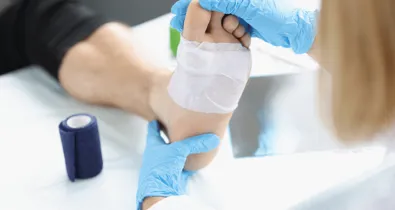
Diabetic Wound Management
An analysis of the disease process, focusing on prevention strategies, limb salvage, and the unique requirements of diabetic patients.
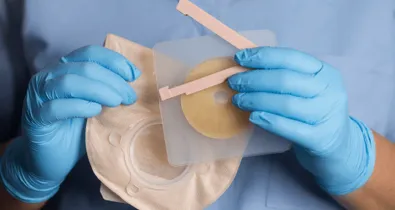
Ostomy Management
A complete focus on the treatment, therapy, and counseling for individuals during every stage of a fecal or urinary diversion.

Certified Wound Care Marketing Specialist
Looking to increase your organization’s revenue potential, enhance your customer base, and become more competitive?
What Others Say Matters
-
I'm a Registered Dietitian working in a Long-Term Care Facility. After talking with a fellow worker, I decided to pursue the NWCC certification to advance my understanding and competency in wound care from a nutritional perspective. I learned so much and now have the knowledge to support the wound care team with proper nutritional interventions. I'm also grateful for the recognition and respect of the nurses and physicians on our team.
Tami P, MS, RD, NWCC -
The credentials are important to me because it means that I've have earned the respect of my peers and the doctors. It has also increased my pay.
Judy G, LPN, WCC, CWCA, OMS